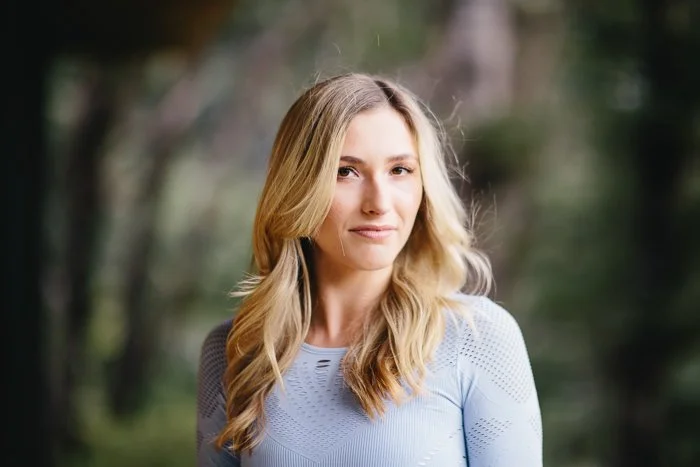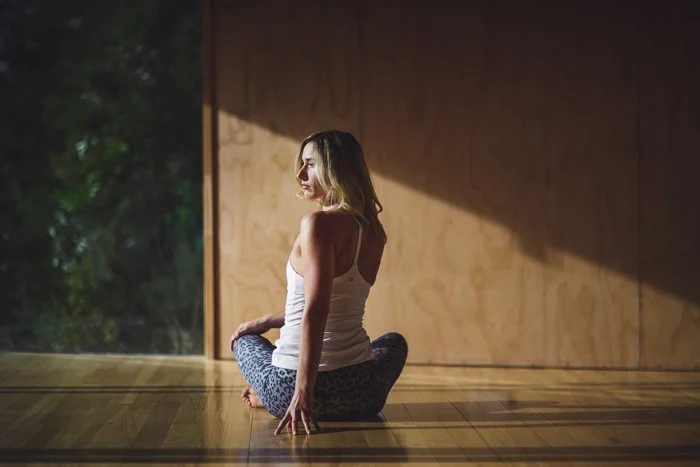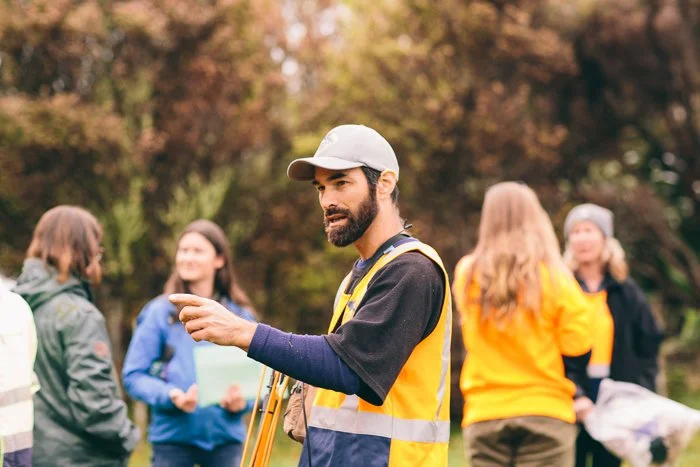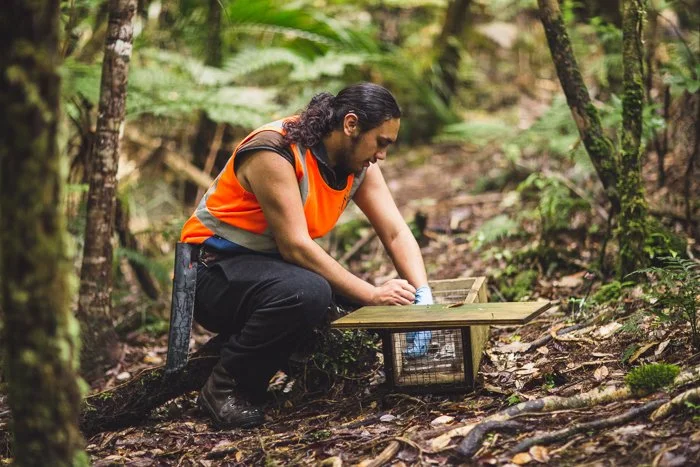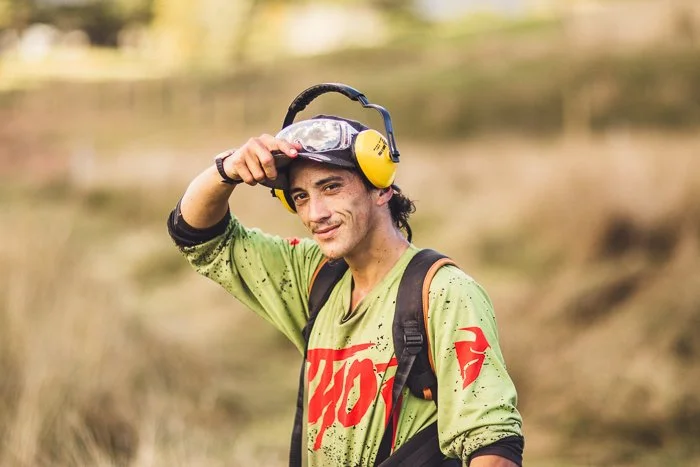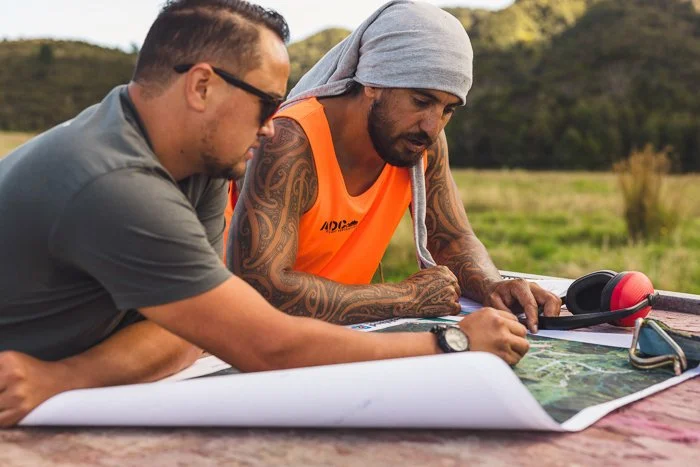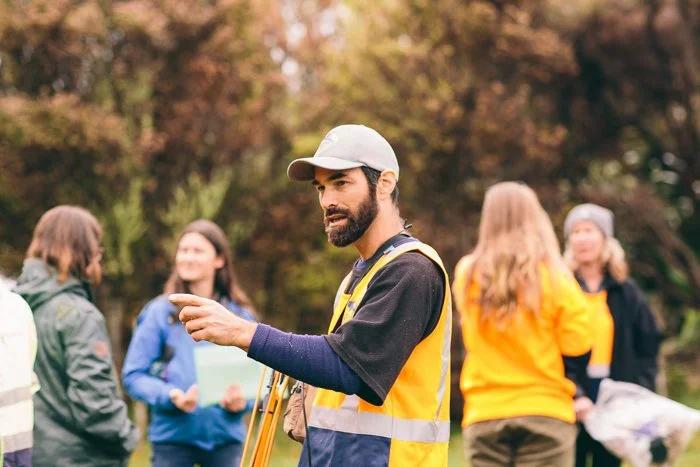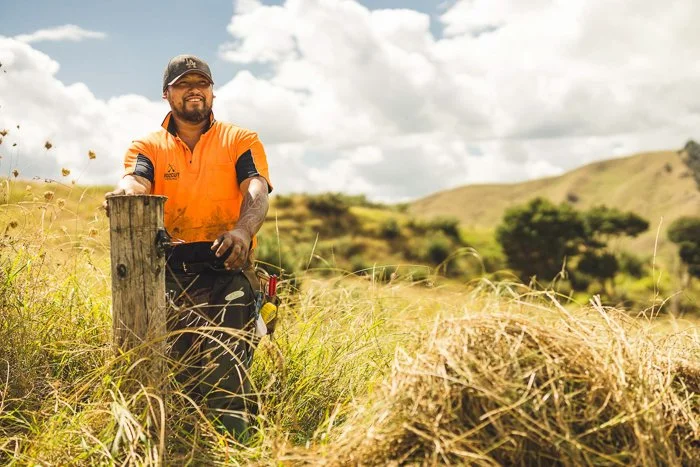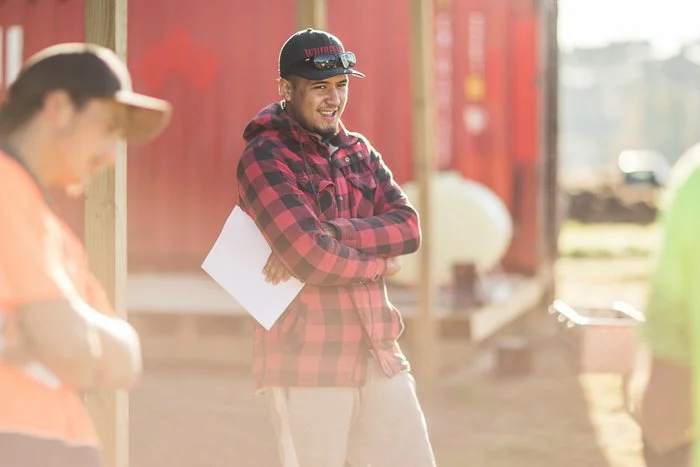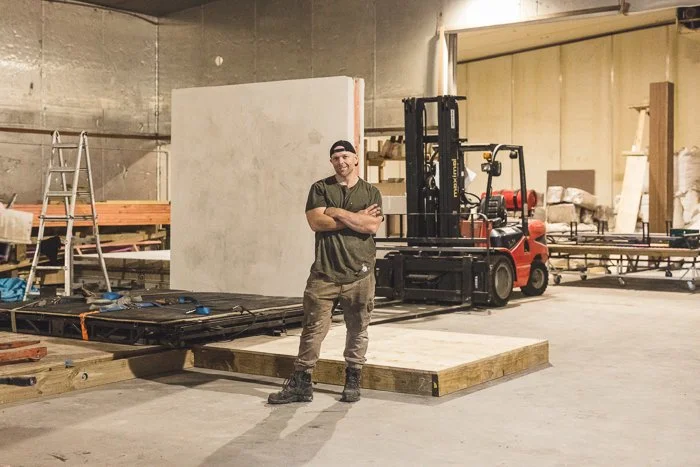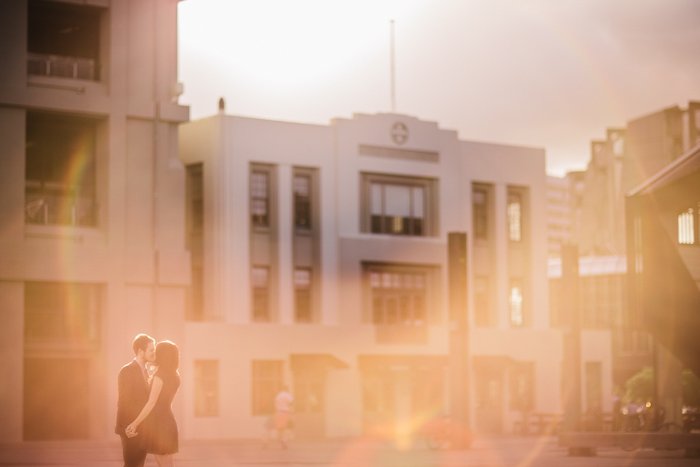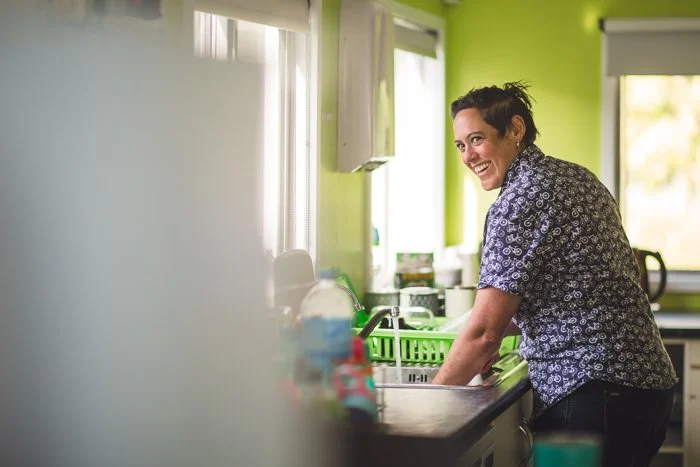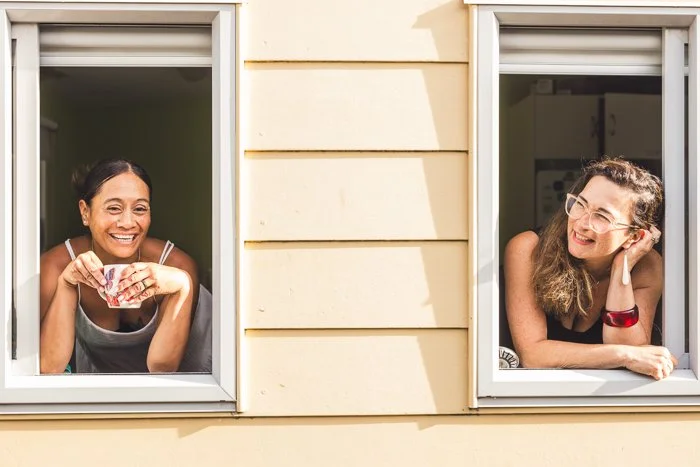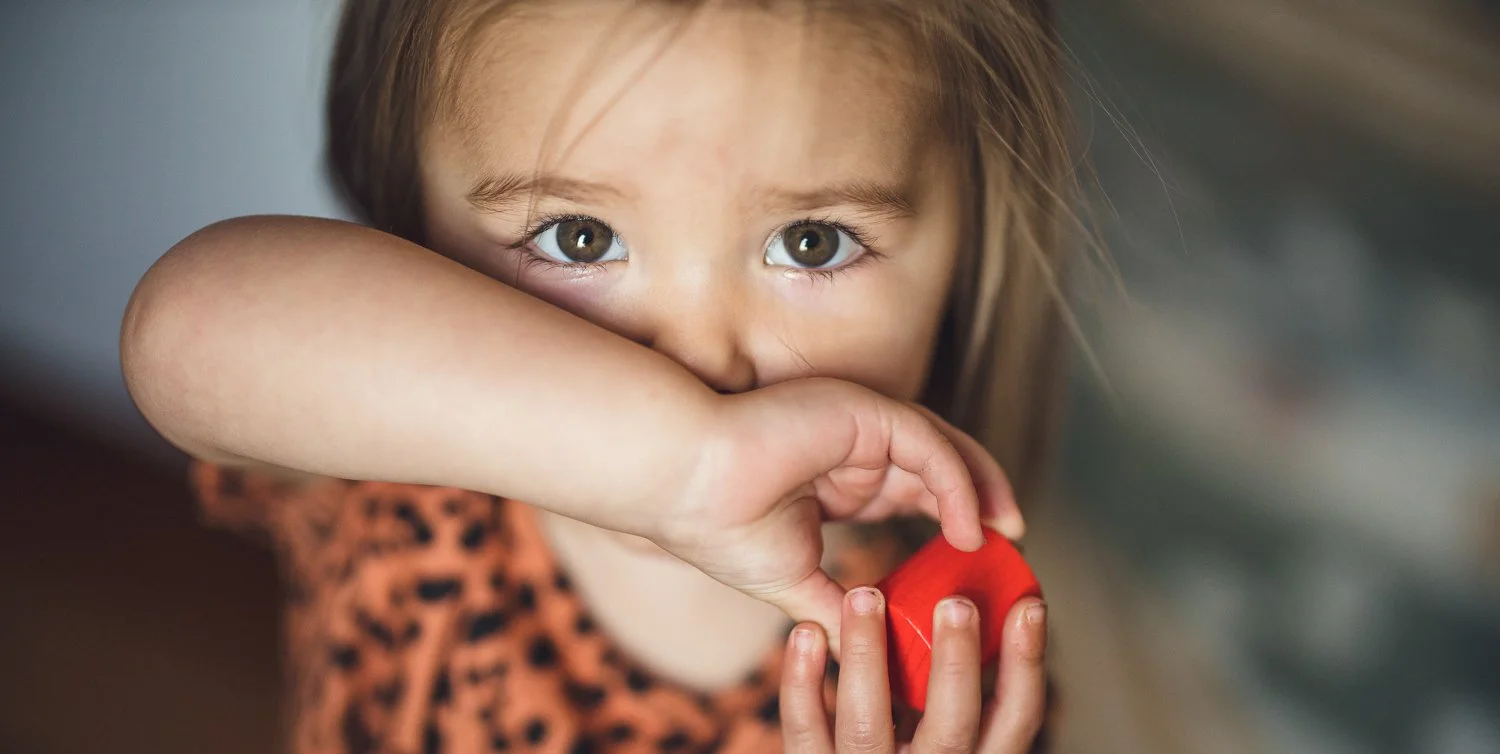
Photography in 2026 is more complicated than closing a shutter. What’s human? What’s been produced by a machine? Which does your audience respond to? Why?
There’s room for art amongst all the science
An enduring idiom like “a picture is worth a thousand words” persists for a reason. It’s because we are primed to make sense of information first with what we see. That making sense can happen in a fraction of a second. Likewise, we’re primed to push back against inorganic or inauthentic (fake) representations of things we know should be real. If communications in 2026 is going to be about transparency and trust, then the images you use to help tell your story (their provenance, their proof of life) are going to be critical.

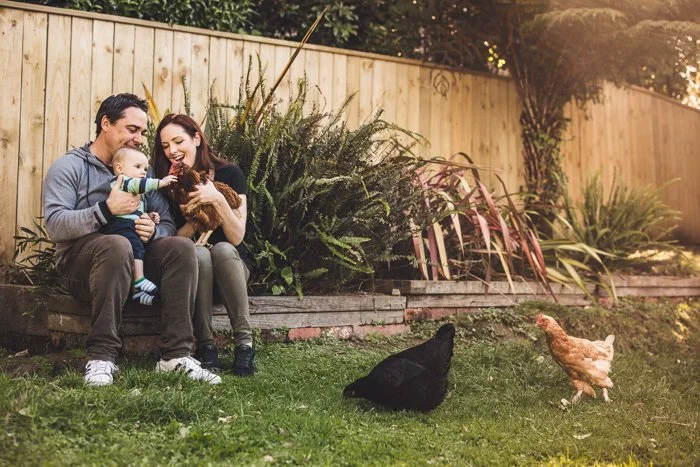
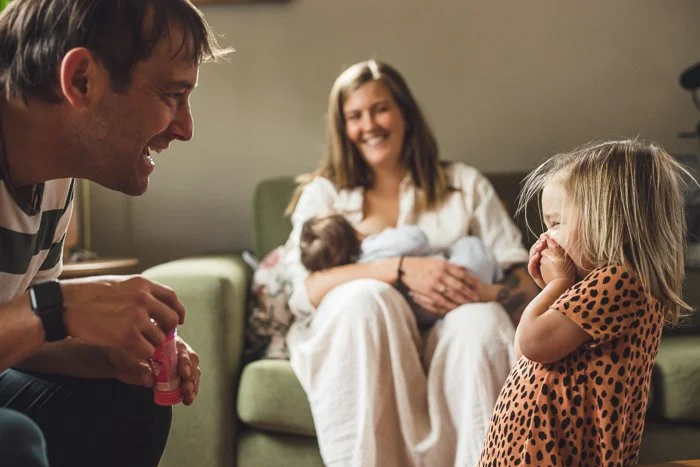
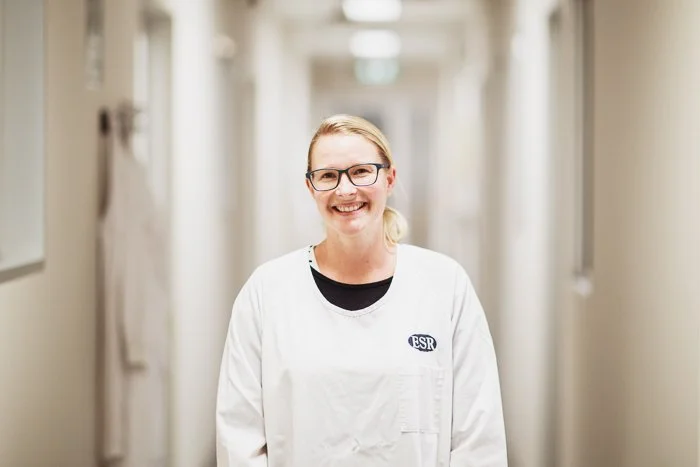
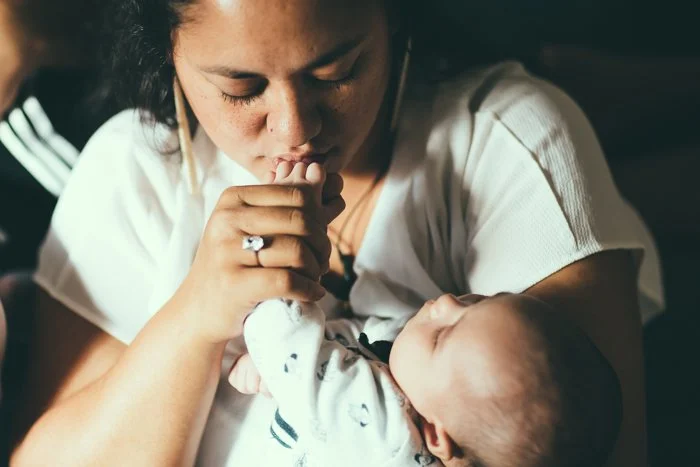
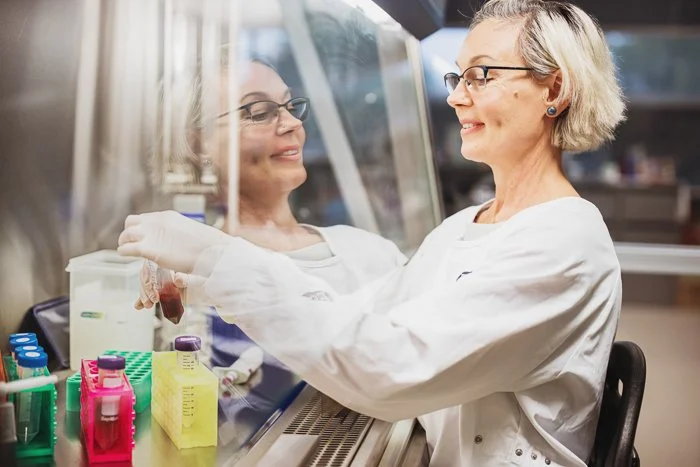
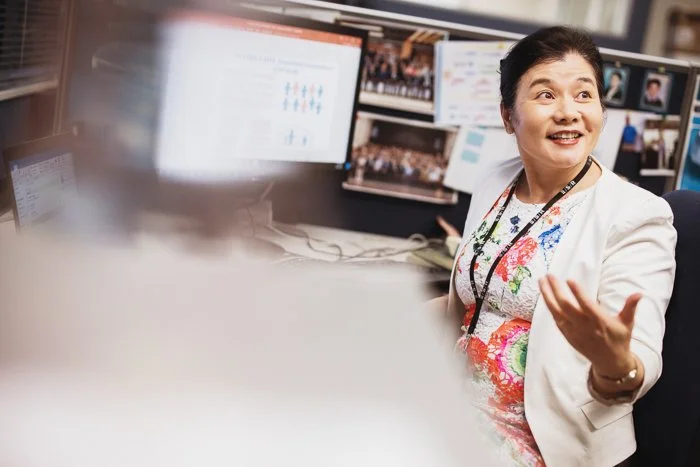
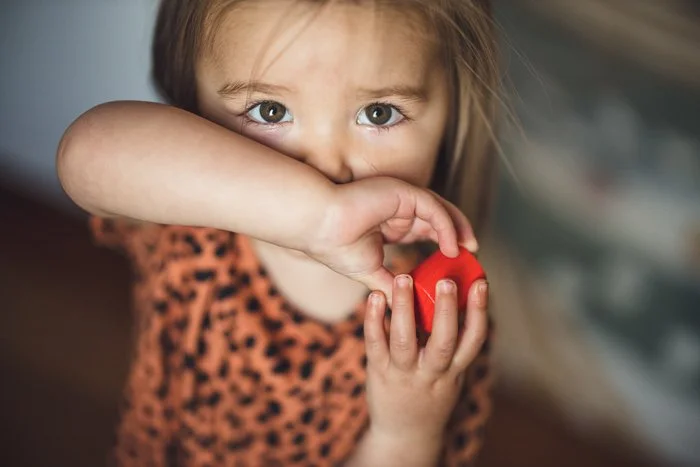
What you see is what you get
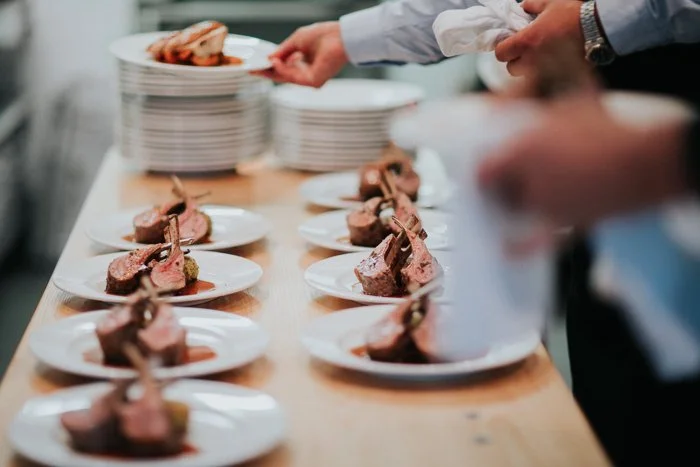
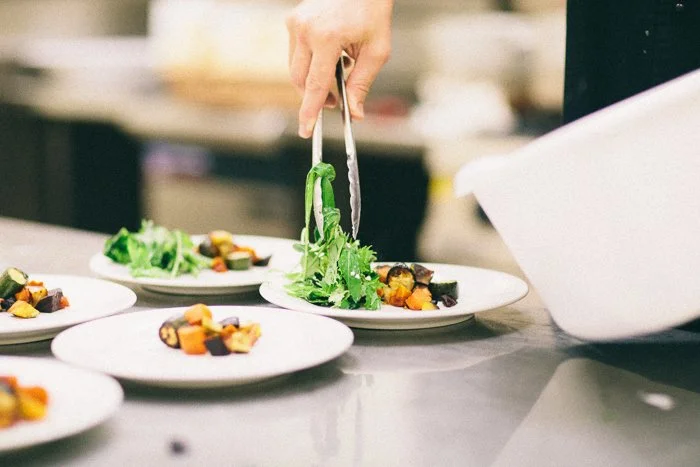
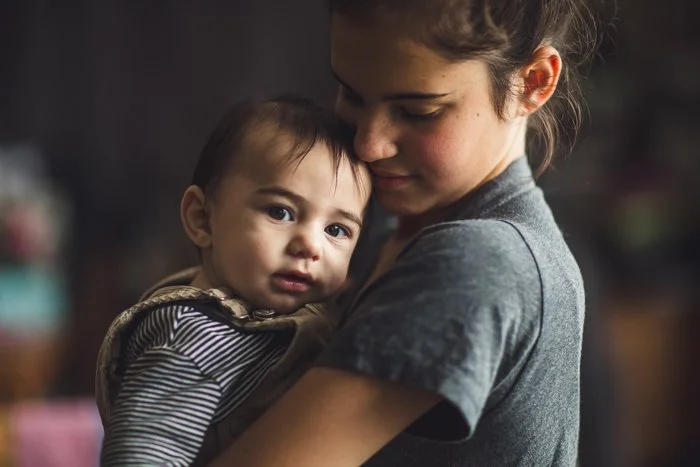
We don’t just take photos; we produce the images shown by our research to be most likely to change how people know, think, feel, and do. Visuals are not decoration; they are a psychological lever. Studies show, for example, that people will rate food up to 22 percent better when they can see it being prepared, even when the final product is identical to one made out of sight. Why is that? Transparency. A window in. The same principle applies across sectors: when visuals align with how humans process trust, expertise, safety, or pleasure, they transform outcomes. Our work combines scientific insight with high-quality creative to deliver imagery that not only looks good, but gets results.